Within an hour of waking, get ten to thirty minutes of outdoor light, even on cloudy days. Natural brightness signals your brain’s master clock, boosts alertness, and starts the timer for easier evening sleepiness. Pair with gentle movement and water, and skip sunglasses briefly to maximize retinal photoreception.
Delay your first coffee ninety minutes after waking to allow adenosine clearance and smoother energy. Set a firm cutoff six to eight hours before bed, since caffeine’s half-life lingers. If afternoons drag, hydrate, stretch, or step outside for light instead. Notice how timing alone sharpens evening calm significantly.
Choose a wind-down start time about sixty to ninety minutes before sleep. Dim lights, lower volume, and reduce stimulating tasks. Repeat the same steps nightly so your nervous system learns the sequence. Predictable cues reduce racing thoughts, guide melatonin’s rise, and invite deeper, more continuous sleep naturally.
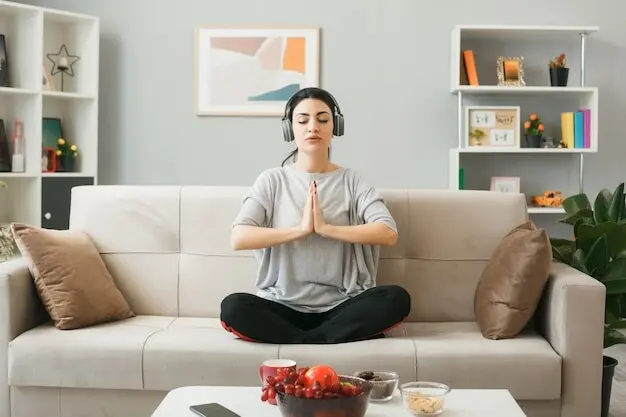
Practice five minutes of slow exhale breathing, like 4-7-8 or 6-6 box breathing. Longer exhales nudge your vagus nerve, lower heart rate, and soften mental chatter. Pair with cozy posture and dim lighting. This portable practice gently escorts your mind from analysis into receptive, drowsy quiet.
Do a quick brain dump: list lingering tasks, worries, and ideas, then capture the next tiny action for tomorrow. Close the notebook. This externalization reduces rumination and protects bedtime from planning mode. Returning thoughts are normal; point them to the page again, kindly and consistently, without judgment.